
Some wounds don’t present up on the floor.They don’t bleed or go away bruises however they linger in your chest, your shoulders, your breath. That heartbreak that you simply by no means absolutely left, grief that softened however by no means disappeared, and day by day stress that quietly turned your regular.
For a very long time, I used to consider what most of us are advised: time heals every part however the fact is, time doesn’t all the time heal, however with time we simply discover ways to carry issues higher. Our emotional wounds don’t simply disappear they settle into the physique. They take form in how secure we really feel, how we reply to stress and life, and the way we exist on the planet. And that is the place yoga apply enters. Yoga will not be as a fast repair however it a lot deeper, yoga doesn’t drive emotional healing. It creates house for it.
What Are Emotional Wounds?
Emotional wounds are unresolved experiences that have an effect on how we predict, really feel, and reply to the world. They might stem from:
- Childhood trauma
- Abuse or neglect
- Lack of a beloved one
- Relationship breakups
- Unaddressed Nervousness or despair
- Lengthy-term stress or burnout
When emotional ache isn’t processed, it doesn’t merely vanish. It may present up bodily as:
- Tight shoulders or jaw
- Hip pressure
- Continual fatigue
- Digestive points
- Complications
- Sleep disturbances
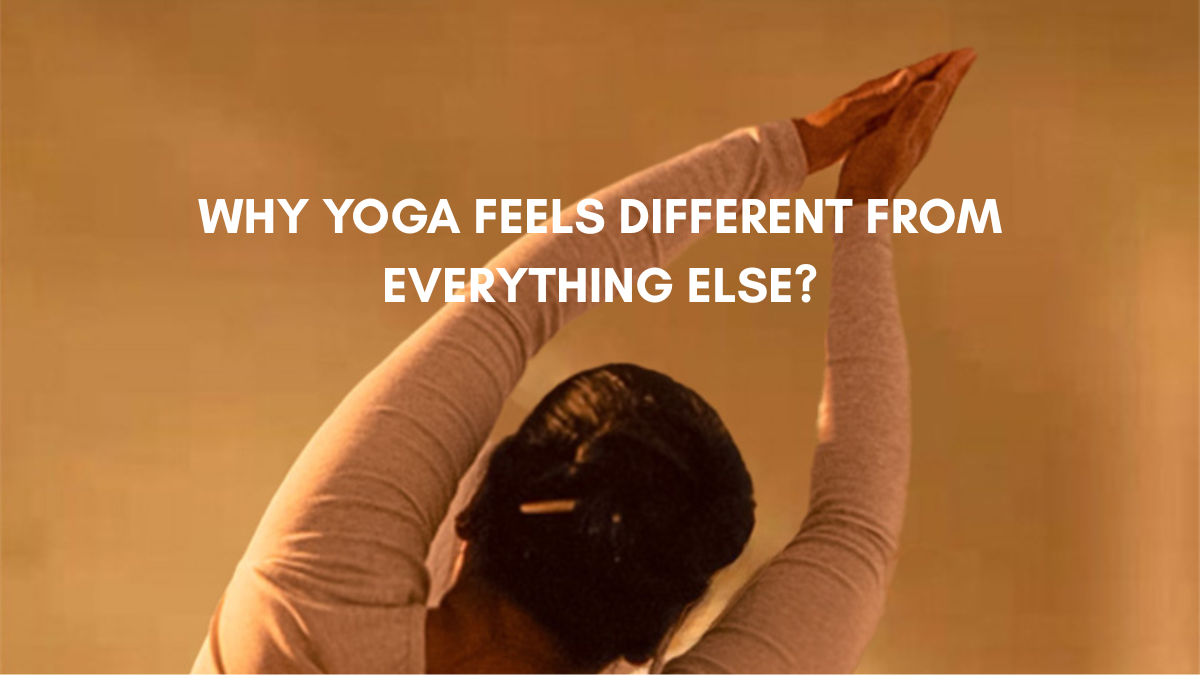
Why Yoga Feels Totally different From The whole lot Else
Most of us method therapeutic intellectually. We analyse, replicate and attempt to “determine it out.” However yoga doesn’t ask you to analyse your ache. It asks you to give up, sit with it, breathe via it, and slowly launch it. The entire course of what makes it a strong expertise. By way of motion, breath, and stillness, yoga gently reconnects the physique and thoughts, one thing stress and trauma usually disconnect. Analysis has proven that yoga can decrease cortisol ranges (your physique’s major stress hormone), enhance temper, and scale back signs of tension and despair. However past the science, there’s one thing deeply human about it. It provides you a second the place you’re not fixing, performing, or holding it collectively. You’re simply being in your capability and your tempo.
How Yoga Helps Emotional Therapeutic
When you’ve carried emotional wounds for a very long time, your physique can keep in a relentless state of alertness. You would possibly discover it as overthinking, emotional triggers, or a way of all the time being “on edge.” Generally it exhibits up as numbness the alternative excessive the place you don’t really feel a lot in any respect. It’s your nervous system attempting to guard you. Yoga works here in a quiet however highly effective approach. By way of gradual motion and intentional respiratory, it indicators to your physique that you’re secure. It reminds you that you simply don’t want to remain in survival mode.
1) It Regulates the Nervous System
Emotional wounds usually go away the nervous system caught in survival mode. It’s possible you’ll really feel:
- Hyper-alert
- Simply triggered
- Emotionally numb
- Chronically tense
That is the sympathetic nervous system the “battle or flight” response staying switched on. Yoga prompts the parasympathetic nervous system the “relaxation and digest” state serving to the physique really feel secure once more. Analysis revealed in Frontiers in Human Neuroscience discovered that yoga will increase coronary heart charge variability (HRV), a key marker of nervous system stability and resilience. Security is the inspiration of therapeutic.
2)It Releases Saved Rigidity within the Physique
Feelings aren’t simply ideas they’re bodily experiences. Trauma and stress are sometimes saved in areas like hips, chest, shoulders and jaw. That’s why sure poses particularly hip opening posed can unexpectedly set off emotional launch. It’s possible you’ll discover:
- Tears throughout a pose
- Sudden waves of unhappiness
- A deep sigh of aid
These reactions should not weak spot. They’re your physique’s approach of processing saved feelings. Mild motion via yoga asanas permits the physique to launch what phrases typically can not.
3) Breath-work( Pranayama) Calms Emotional Overwhelm
Respiration patterns change after we are burdened – anxiousness shortens the breath, grief tightens the chest. In yoga, aware respiratory (pranayama) slows the center charge and quiets the thoughts. Do that easy apply:
- Inhale for 4 counts
- Maintain for two
- Exhale for six
Repeat for a number of minutes. Longer exhales stimulate the vagus nerve calming the nervous system and lowering emotional depth.
Yoga Poses That Help Emotional Launch
A 2020 examine revealed in Psychology of Consciousness discovered that common yoga practitioners present larger emotional consciousness and decreased emotional reactivity. Whereas many aware motion might help scale back stress, sure poses are particularly grounding.
Little one’s Pose (Balasana)
A restorative posture that indicators security and give up. It quiets the thoughts and eases again pressure.
Pigeon Pose (Eka Pada Rajakapotasana)
A deep hip opener usually related to emotional launch. Transfer slowly and gently.
Bridge Pose (Setu Bandhasana)
Opens the chest and coronary heart house, supporting the discharge of grief or emotional tightness.
Legs Up the Wall (Viparita Karani)
Deeply calming and restorative. Encourages nervous system regulation.
Methods to Start Your Personal Follow
Social media would possibly make Yoga appear and feel intimidating, it virtually seems like we’re performing for an viewers, whereas yoga is deeply private apply, you don’t must good a pose, that you must practise and don’t want a previous expertise. You can begin right here:
- Select mild or restorative yoga
- Follow 10 -Quarter-hour a day
- Give attention to the way it feels not the way it appears
- Use props like pillows or blankets for consolation
- Transfer slowly and hearken to your physique
Emotional wounds don’t outline you however they do deserve care. Yoga presents a gradual, compassionate technique to reconnect together with your physique, calm your nervous system, and launch saved ache. By way of breath, motion, and consciousness, you’ll be able to start to really feel safer inside your self once more.
One stretch. One breath. One second at a time.