
Champagne is the final word wine for the get together season. It’s synonymous with moments of celebration — be it a birthday, wedding ceremony, toast, commemoration, and even profitable an F1 race. However the festive interval actually brings it into its personal, whether or not that’s a works Christmas get together or a New Yr’s Eve celebration with mates.
Whereas different glowing wines from world wide, equivalent to Cava, Crémant and Prosecco, might come cheaper, Champagne retains its status and attract amongst drinkers. Nothing fairly matches the sound of a Champagne cork popping, adopted by the zingy rush of tremendous bubbles on the tongue.
Beneath are eight beautiful examples, curated in collaboration with Megan Smith of The Drinks Business, to tempt you in the course of the festive season and guarantee your celebrations go along with a correct pop and champagne.
£20–£30
Champagne Haton NV
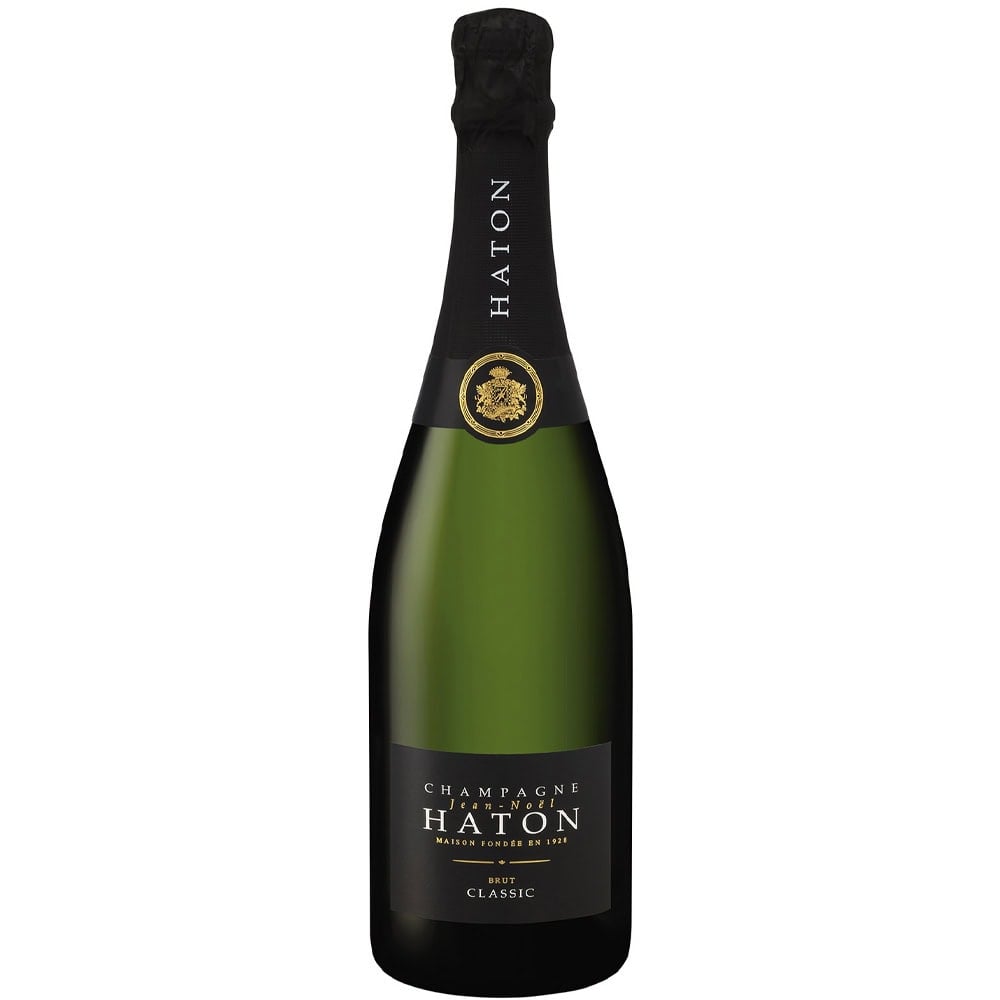
This boutique, family-run Champagne home traces its roots again to the early 1600s, in the course of the reign of Louis XIII, when François Haton started rising grapes for native wineries. Quick ahead to 1928, and Octave Haton revitalised the enterprise by producing Champagne beneath the household title. Right now, the home is operated by the eleventh and twelfth generations of the Haton household.
This dry, gripping non-vintage reveals excessive acidity and a light-bodied profile. The palate delivers effervescent notes of tart crimson apple with a touch of peach, whereas an intriguing yeasty character underpins every part. Pleasant, and wonderful ‘bang to your buck’.
£30–£50
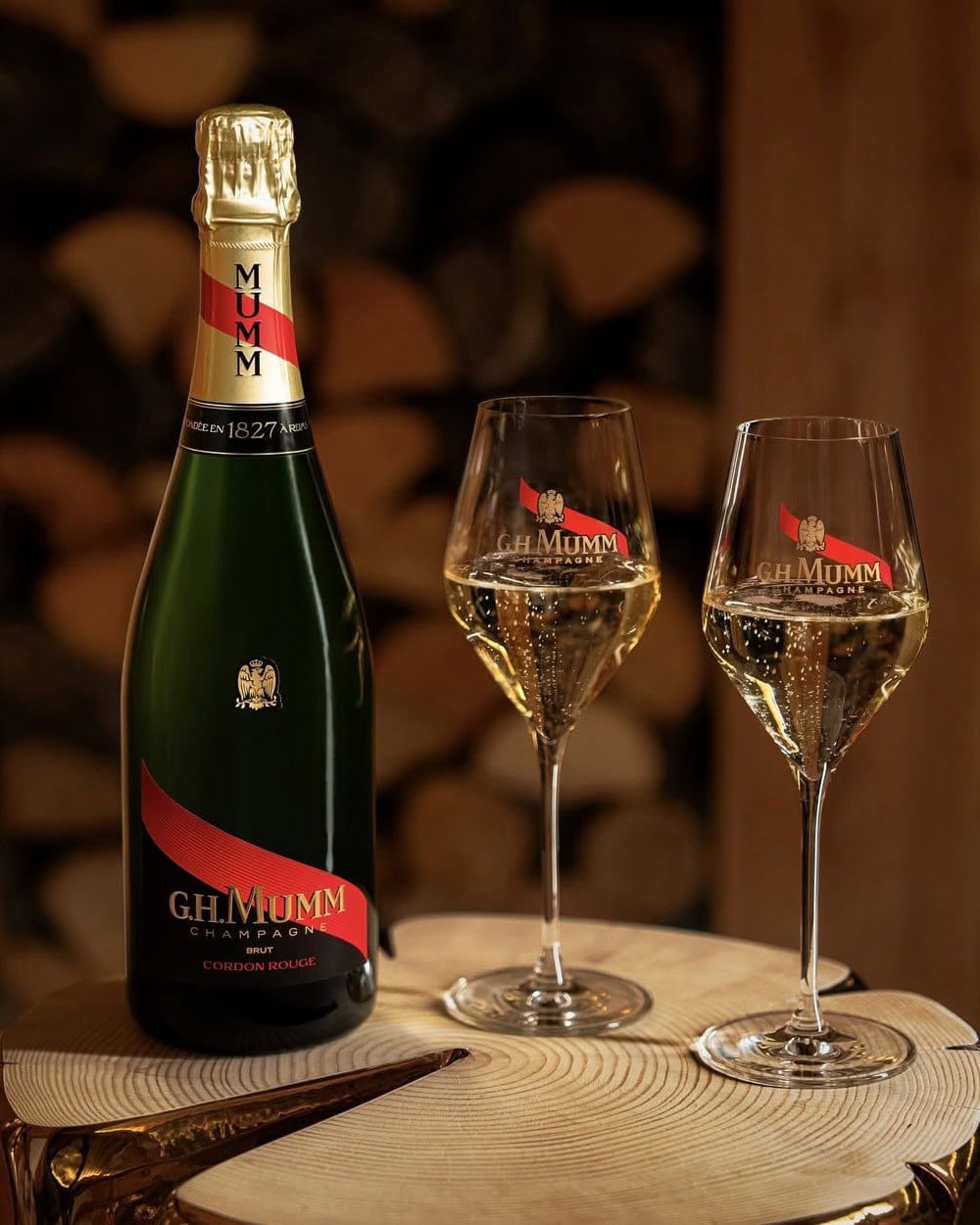
GH Mumm, Cordon Rouge NV
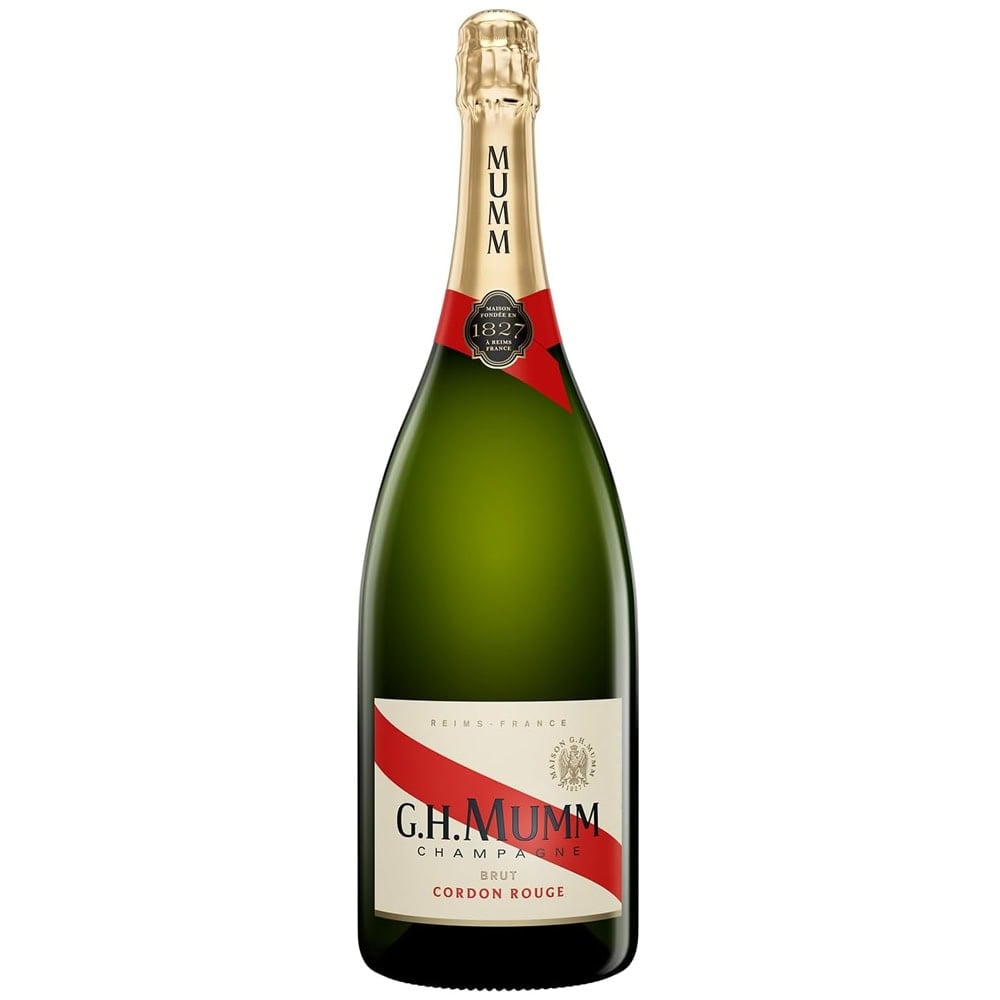
This Champagne is an absolute traditional. Mumm was based by three German brothers — Jacobus, Gottlieb and Philipp Mumm — within the well-known Champagne city of Reims in 1827, and has grown to turn out to be one of many area’s most extremely regarded homes.
The Cordon Rouge (or ‘crimson sash’ in French) is the enduring cornerstone of the vary. This non-vintage Champagne is daring, full of life and refreshing, with crisp, acidic inexperienced apple, lemon zest and toasted brioche taking centre stage.
Champagne Cattier, Blancs de Noirs Premier Cru NV
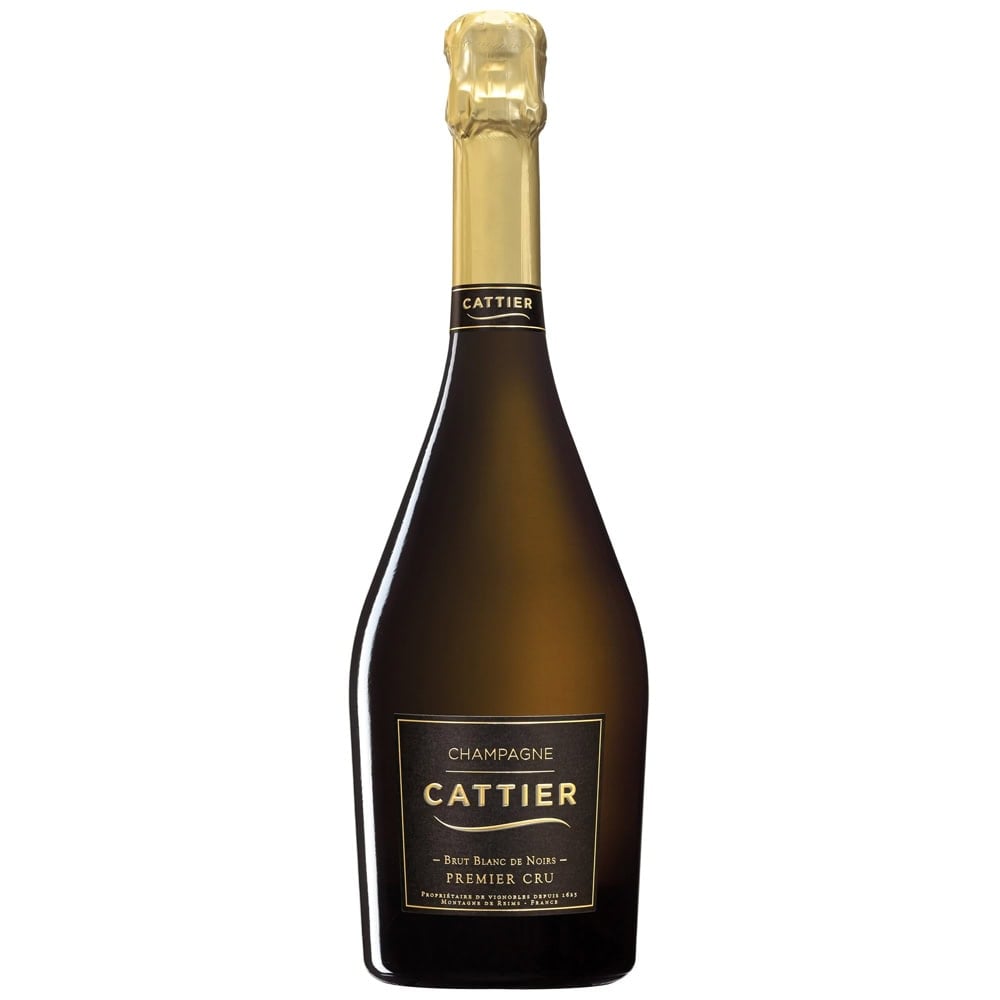
Cattier is without doubt one of the oldest and most revered Champagne homes in France. The household has owned vines within the area because the 1700s, and it stays family-owned right this moment. The thirteenth technology is presently on the helm — Alexandre Cattier and his cousins Agathe and Marie.
Their conventional fashion leans closely on the Pinot Meunier grape, giving their Champagnes a heady, fragrant and fruit-forward character. With this Blancs de Noirs, anticipate crisp, acidic notes of rhubarb, lemon sherbet and patisserie. Elegant but opulent.
Champagne Joseph Perrier, Cuvée Royale Brut Rosé NV
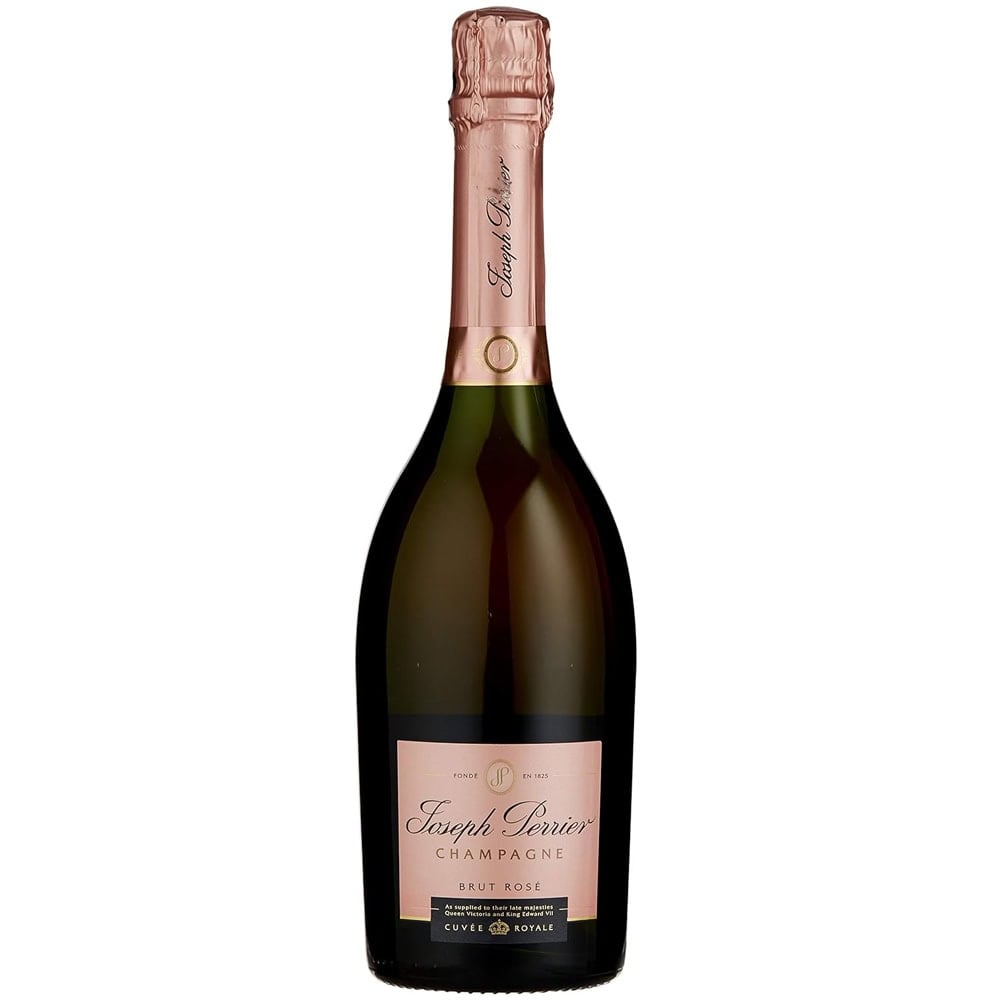
Champagne Joseph Perrier — to not be confused with the better-known Perrier-Jouët — was based in 1825 within the village of Châlons-en-Champagne. It has celebrated its bicentenary this 12 months and stays household owned.
The home is known for its chalk cellars, and its Champagnes had been favourites of Queen Victoria and Edward VII. This Cuvée Royale Rosé is beautiful, mild in physique and finely refined, laced with crimson berry and pomegranate fruit, underpinned by a vibrant, refreshing acidity.
£50–£70
Champagne Telmont, Réserve Brut NV

4 generations of the Lhôpital household have constructed Telmont’s repute since its basis in 1912. This extremely regarded Champagne home prides itself on biodynamic and natural viticulture practices, and takes its title from its most prized winery plot.
Intense and complicated on the nostril, with intriguing aromas of tomato leaf and yellow fruit, alongside an interesting bread-like be aware. Creamy on the palate, with a tart acidity that maintains freshness and steadiness. It’s straightforward to see why Telmont is so wanted.
£70–£100
Champagne Laurent-Perrier, Classic 2015
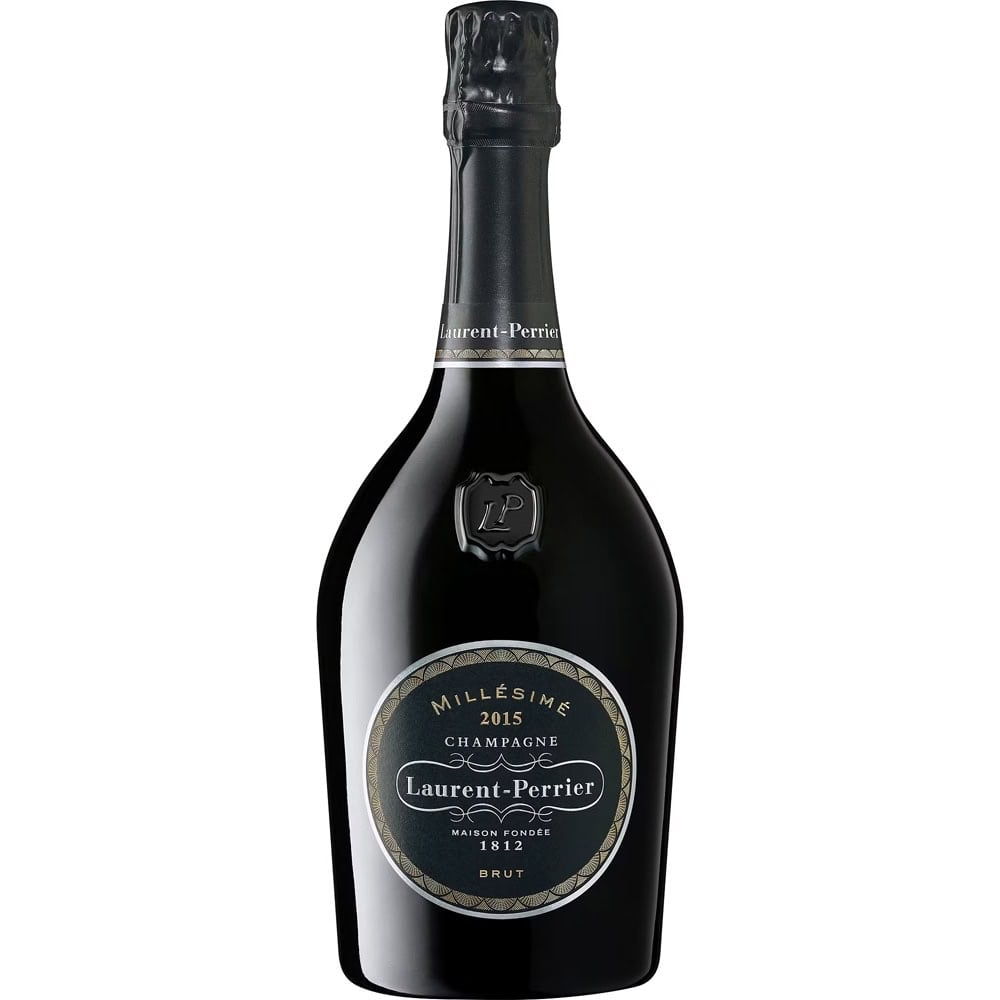
Laurent-Perrier is one among Champagne’s flagship homes and is thought worldwide. Based in 1812 by André Michel Pierlot, the well-known title was created in 1887 when the proprietor, Eugène Laurent, died. His spouse, Mathilde Emilie Perrier, mixed their household names in his honour — and the remainder is historical past.
It is a gorgeous Champagne from the recent, drought-affected summer time of 2015. Ripe apples and pineapple are layered with honey and lemon zest. Vivid and refreshing, it finishes clear and pristine, with hints of hazelnut, chalk mud, lime and calmly toasted bread. Beautiful.
£100+
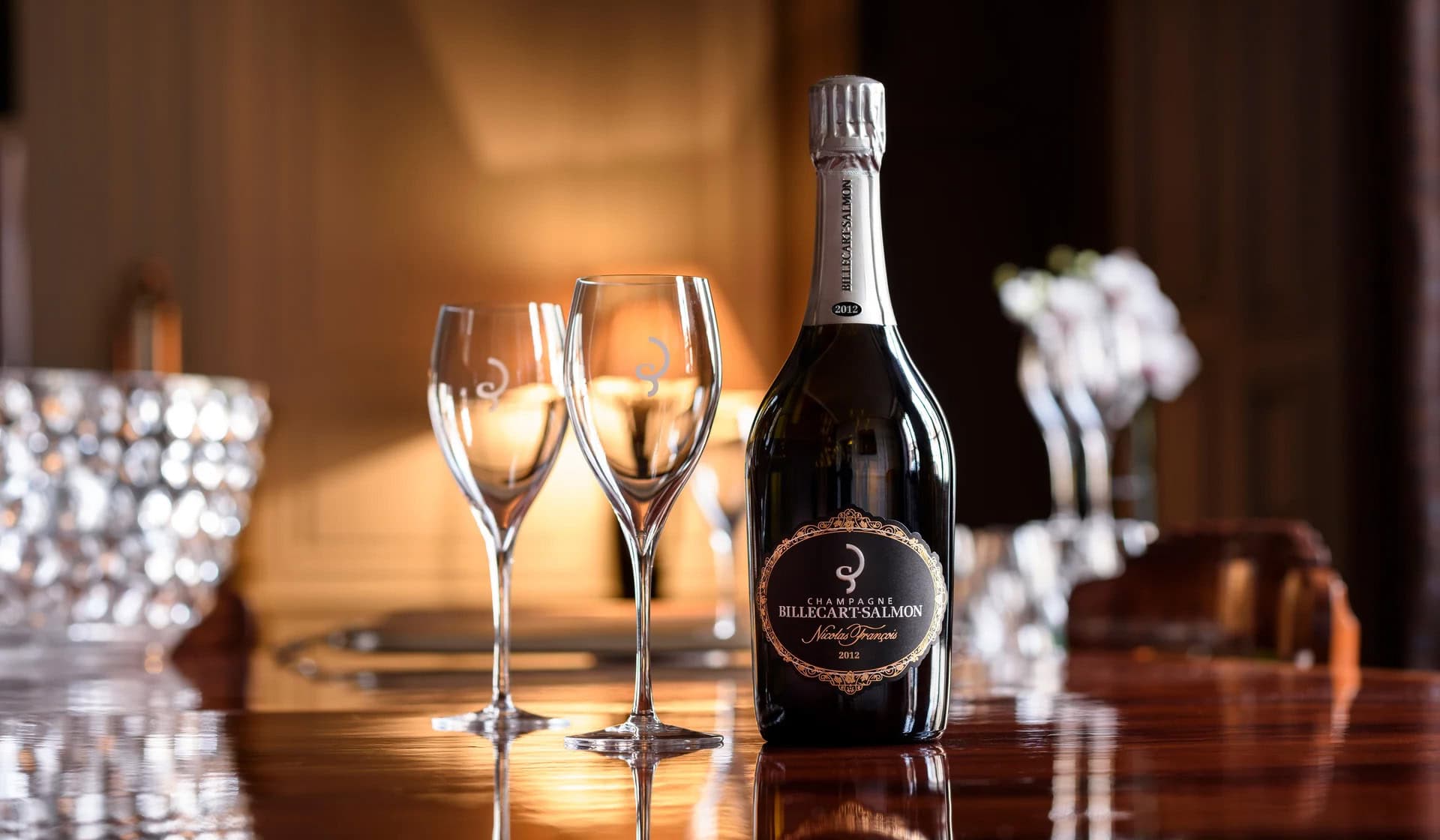
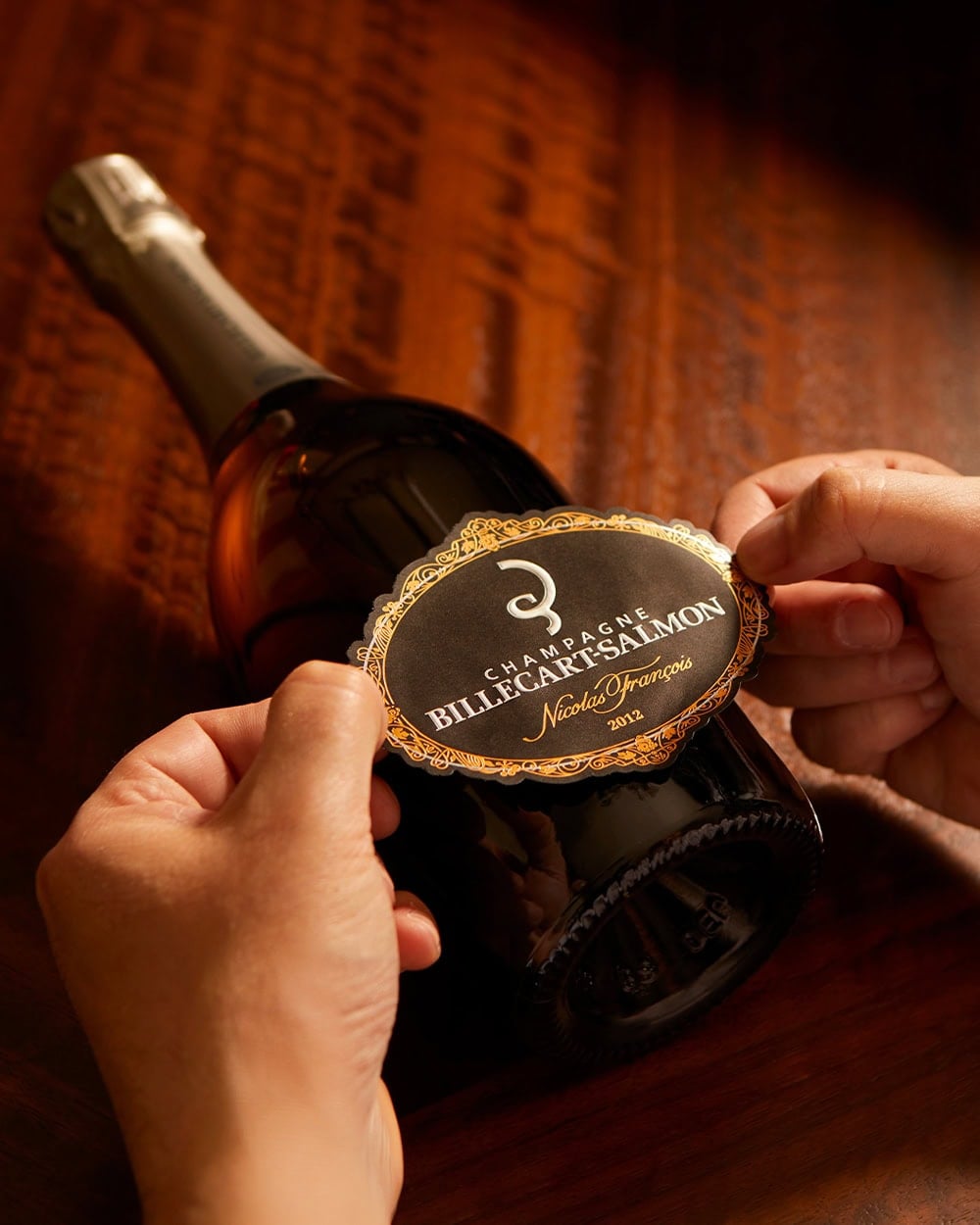
Champagne Billecart-Salmon, Nicolas François 2012

Billecart-Salmon embodies luxurious and status. The family-owned Maison was based in 1818 following the wedding of Nicolas François Billecart and Elisabeth Salmon. Seven generations on, it stays famend for elegant, delicate Champagnes created by means of sluggish, low-temperature fermentation.
This alluring classic opens with aromas of dried fruit and tender brown sugar. The palate is fantastically complicated, revealing notes of beeswax, fairground toffee apple and a yeasty creaminess. The end is bone-dry with a touch of lemon rind.
Veuve Clicquot, La Grande Dame Rosé 2015
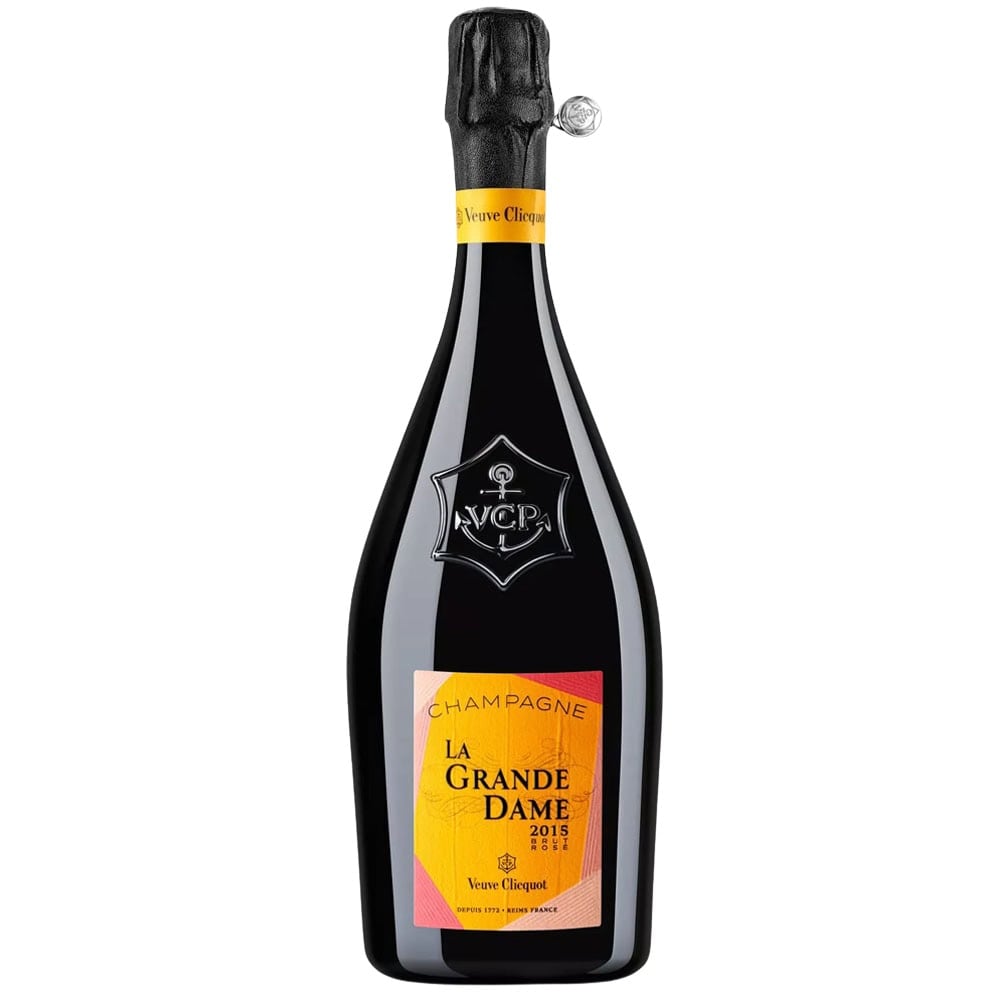
One among Champagne’s most well-known names can also be amongst its oldest. Maison Veuve Clicquot was based in 1772 in Reims by Philippe Clicquot, however rose to prominence beneath the stewardship of his widow, Barbe-Nicole, following his premature loss of life in 1805.
A real innovator, she created the world’s first classic Champagne in 1810, the primary blended rosé in 1818, and launched the model’s iconic yellow label.
This refined, expressive rosé is a tribute to the pioneering spirit of Madame Clicquot — ‘la grande dame de la Champagne’. Count on notes of pear alongside hazelnut, espresso and baked apple, underpinned by a definite chalky edge. Complicated, refreshing and deeply scrumptious.
Champagne 101
Champagne is a sort of French glowing wine with a protected geographical designation and strict manufacturing guidelines. This designation, often known as an AOC (Appellation d’Origine Contrôlée), means Champagne can solely be produced within the Champagne area of France. Situated within the north-east of the nation, round 90 miles east of Paris, the area is a UNESCO World Heritage Web site, with Reims and Épernay as its principal cities.
Champagne should be made utilizing conventional strategies and particular grape varieties — specifically Chardonnay, Pinot Noir and Pinot Meunier. 4 different permitted grape varieties are used far much less ceaselessly: Arbane, Petit Meslier, Pinot Blanc and Pinot Gris.
The grapes are first fermented to make a dry nonetheless wine. That is then bottled with a small quantity of sugar and yeast added — often known as the liqueur de tirage — earlier than being sealed with a short lived cap. A second fermentation then takes place contained in the bottle. This course of should final a minimal of 15 months for non-vintage (NV) Champagne and 36 months for classic Champagne.
Throughout this time, the yeast feeds on the sugar, creating alcohol and carbon dioxide, which supplies Champagne its signature bubbles. Earlier than closing corking, the bottles are steadily tilted downwards in a course of often known as riddling, permitting the lifeless yeast cells to gather within the neck. The neck is then frozen, forming an ice plug in a course of referred to as disgorgement.
The cap is eliminated, and stress contained in the bottle forces the frozen plug of yeast out. A small quantity of sweetened wine — the liqueur d’expédition — might then be added earlier than the well-known cork is inserted. This closing step determines the Champagne’s dosage: Brut Nature, Additional Brut, Brut, Additional-Dry, Sec, Demi-Sec or Doux.