
by Matt Weik, BS, CSCS, CPT, CSN
Once I first stumbled upon wormwood, I actually had zero concept what the heck it was. Then, as I began studying extra about it, the extra it introduced me again to my faculty days — and never in a great way.
Wormwood is a bitter herb greatest recognized for its function within the alcoholic drink absinthe (and there may be my blur of a faculty expertise).
Recognized for its robust aroma and sharp taste, wormwood has an extended historical past in conventional drugs throughout Europe, Asia, and past. Its major compound, thujone, might supply some advantages, however will be dangerous in massive quantities.
As soon as banned within the U.S. as a result of considerations over toxicity and its hyperlink to hallucinations, wormwood is now authorized and out there once more.
On this article, we’re going to dive deeper and discover the historical past of wormwood and its potential well being advantages and makes use of.
Disclaimer: This text is for informational functions solely and isn’t meant to deal with or diagnose any situation. It is strongly recommended that you simply converse together with your physician earlier than beginning any train program, making modifications to your vitamin plan, or including any new dietary supplements into your present routine.
What’s Wormwood?
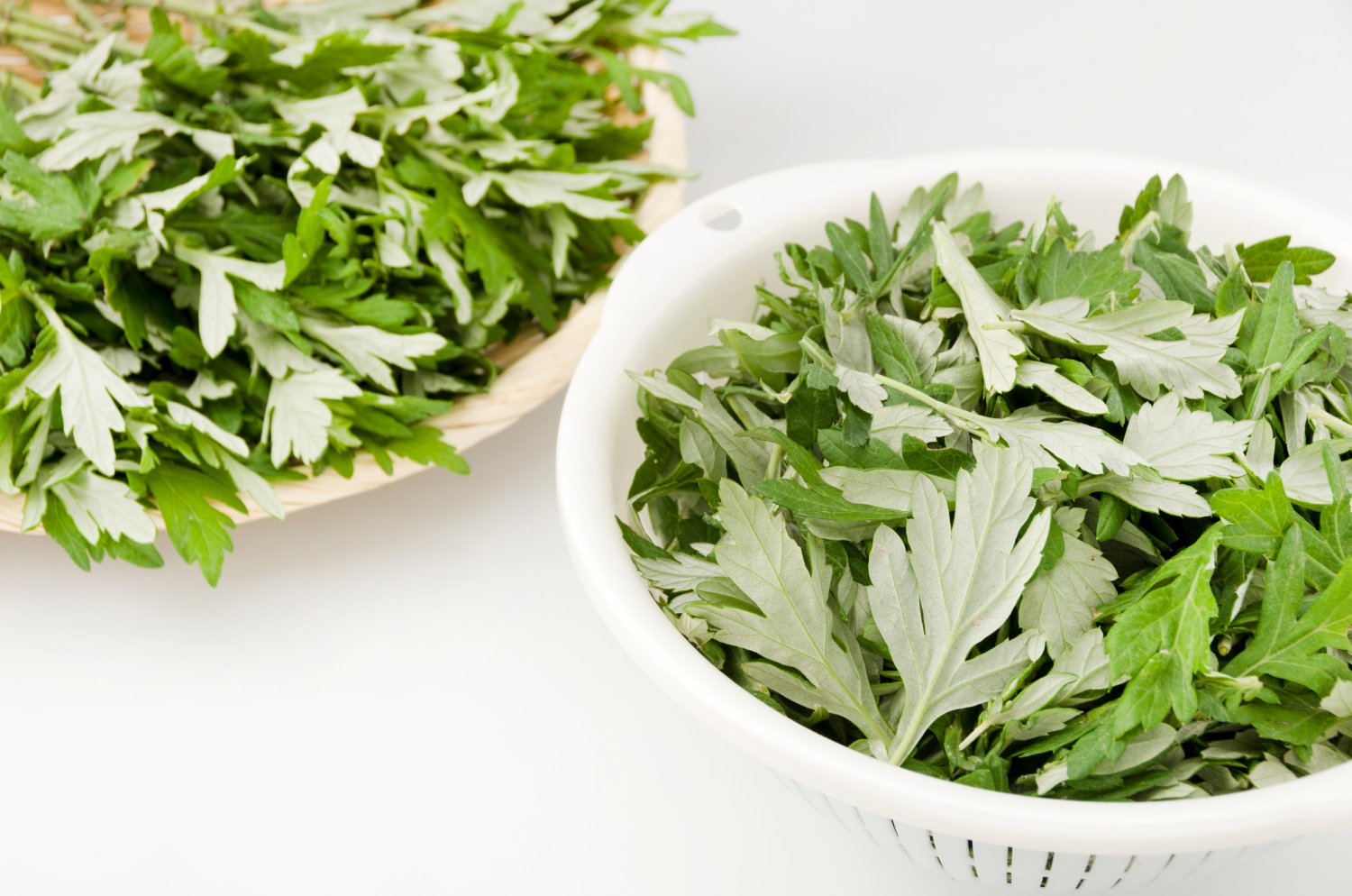
Artemisia absinthium L., extra generally referred to as wormwood, is a perennial shrub that belongs to the Asteraceae plant household. It’s simply acknowledged by its deeply lobed, grayish-green leaves and clusters of small yellow flowers that usually bloom throughout the summer time months, round July and August. The plant has a robust, sage-like aroma and a notably bitter style.
In natural drugs, the leaves and stems of wormwood are generally used to create varied treatments. Whereas there are lots of species within the Artemisia genus, Artemisia absinthium L. and Artemisia annua L., also referred to as candy wormwood, are the 2 most steadily used for medicinal functions.
All that being mentioned, most individuals aren’t grabbing wormwood in its pure kind. Individuals have a tendency to seek out it at their native complement store in a bottle and use it in complement kind.
What Are the Compounds and Chemical Properties of Wormwood?
Wormwood is mostly consumed as an extract or tea. Its important oil is constituted of the plant’s stems and leaves, whereas tinctures or extracts might use your entire plant.
These types don’t supply energy, nutritional vitamins, or minerals, however they do include energetic plant compounds — most notably thujone.
Thujone exists in two types: alpha-thujone and beta-thujone. Although comparable in construction, alpha-thujone is extra poisonous and is the primary energetic compound present in wormwood.
Thujone impacts the mind by blocking gamma-aminobutyric acid (GABA), a neurotransmitter that usually helps calm the central nervous system. Many people have in all probability used GABA in dietary supplements that assist us sleep or assist us chill out.
Whereas thujone might supply some potential advantages, it ought to be famous that prime doses are poisonous and have been linked to critical unwanted side effects akin to seizures and (in excessive instances) loss of life.
What Are the Advantages of Wormwood?
Wormwood has many potential advantages. Under are a number of the most distinguished well being advantages:
1. Deal with digestive points
Wormwood has an extended historical past of use in conventional drugs, particularly in Asia and Europe, the place it was generally used to deal with digestive points and eradicate worms and parasites.
At the moment, herbalists proceed to make use of it to assist digestion, particularly in instances of low abdomen acid or poor urge for food.
A 2020 review famous that the bitter compounds in wormwood might assist stimulate the manufacturing of gastric juices and bile whereas additionally bettering blood movement within the digestive system. The overview additionally urged that wormwood might assist expel parasites and struggle off sure dangerous microorganisms.
2. It might cut back ache
Wormwood has been utilized by many for its pain-relieving and anti inflammatory results. One among its potential makes use of is in managing osteoarthritis, a situation marked by joint ache and irritation.
In a four-week study involving 90 adults with knee osteoarthritis, making use of a 3% wormwood ointment thrice a day helped cut back ache and enhance motion. Nevertheless, it didn’t ease joint stiffness.
It’s necessary to keep away from making use of uncooked wormwood on to the pores and skin, as its concentrated compounds could cause burns.
3. It fights parasites
Wormwood will get its title from its conventional use in treating intestinal parasites like pinworms, roundworms, and tapeworms. Its use declined after experiences of extreme unwanted side effects linked to ingesting absinthe, a liquor made with wormwood (I’m having sickening flashbacks from faculty).
A 2017 study discovered that wormwood might kill Hymenolepis nana (H. nana), the most typical tapeworm in people, in each lab checks and mice. Whereas it wasn’t as efficient as Biltricide (praziquantel), the usual drug for such infections, the herb nonetheless confirmed potential. That is notable as a result of H. nana is changing into extra immune to widespread therapies.
4. Mind well being
A 2020 review discovered that wormwood might assist the physique’s manufacturing of glutathione, a key antioxidant, and assist defend mind well being. Animal research additionally recommend that wormwood might have anti-depressant results by rising serotonin ranges.
One other overview pointed to its potential advantages for neurological situations like Alzheimer’s and Parkinson’s. It’s urged that wormwood might supply neuroprotective, mood-boosting, and cognitive-enhancing results, although extra analysis is required to verify these findings in people.
5. It might deal with Crohn’s illness
Wormwood might assist handle sure inflammatory situations, together with Crohn’s illness, a power dysfunction that causes irritation within the digestive tract.
In a single small study, 20 individuals with Crohn’s illness continued their regular remedy and added both wormwood or a placebo. Outcomes confirmed that 80% of these taking wormwood reached medical remission, in comparison with simply 20% within the placebo group.
One other study involving 40 individuals discovered that 65% of those that took wormwood each day skilled near-complete remission. In distinction, not one of the placebo group reported significant enchancment.
One among its energetic compounds, artemisinin, has been proven to cut back irritation and should block cytokines, proteins that set off inflammatory responses.